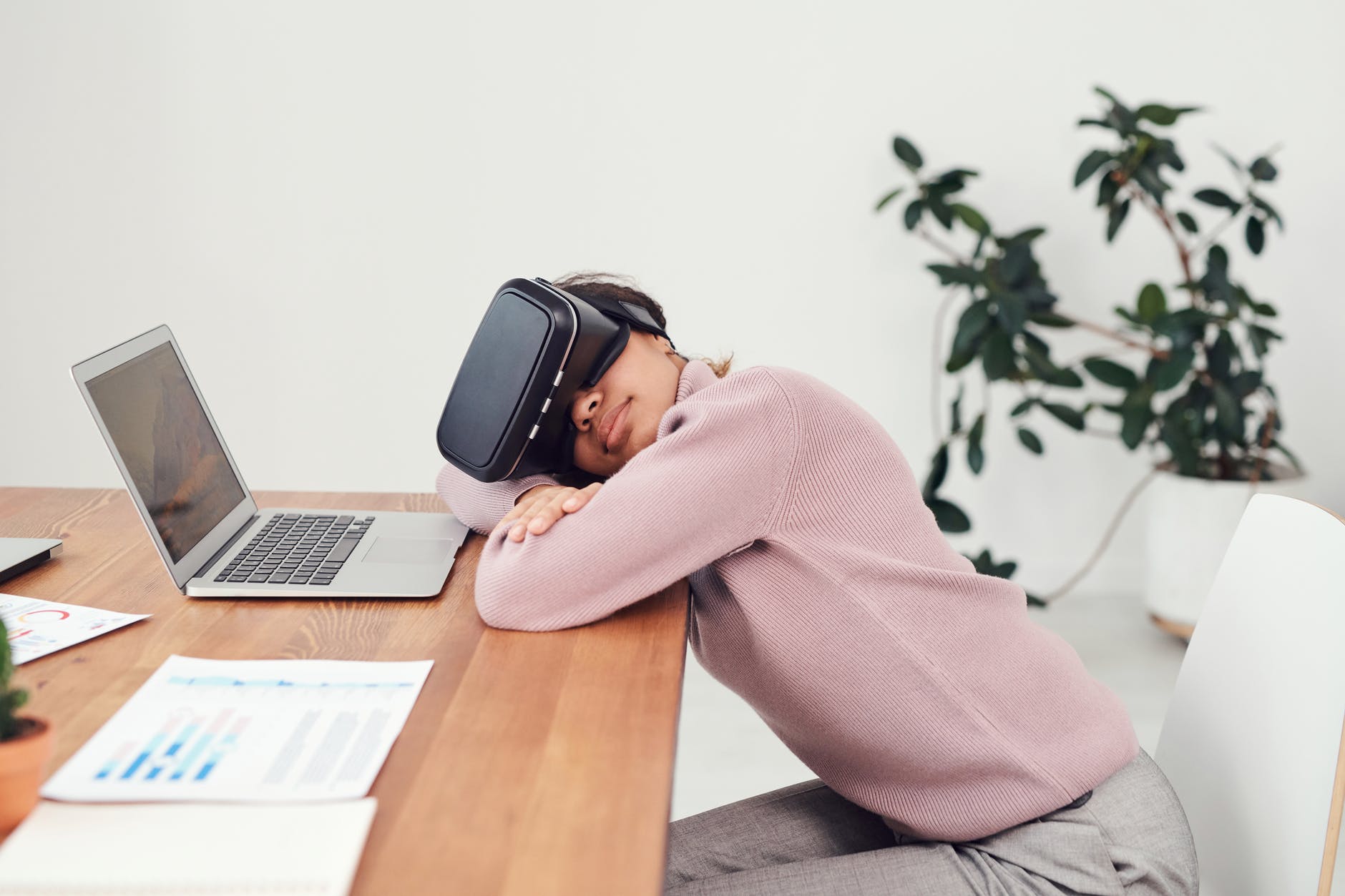
Generally understood as a medical condition of Psychosis, distorted reality can affect the workplace as well individuals. With the future of work being remote (work from home, work from anywhere), hybrid (combination of remote and office-based) and very flexible, we need to be aware of a kind of ‘workplace psychosis’ as we no longer work as we have done for the last two to four generations.
Those in the HR Community need to take stock of how our team members might be experiencing a distorted reality as we enter into the post-pandemic period. There are three ways to keep a focus on it: distance, time and connection.
Distance – perceiving

As many of us have been working remotely for the last 18 months to two years and it is safe to say there has been some distance put between us and our colleagues, our work environment, and our previous ways of working. This distance could be understood in varying degrees of relational, psychological and emotional.
We can now more than ever before realise how those casual, spontaneous and even proximity* moments have lead to how we have built relationships, alliances and forged opportunities that have been important to us. Yet, we are required to find new and sustainable ways to close the respective distance that exists. This would include our perception of ourselves, our colleagues, our leadership and the purpose behind our work. Closing the gap and getting a healthier perspective is vital to getting stuff done and not losing momentum or performance. How this is achieved will vary from person to person but always involves intentionality.
- calling on the telephone
- regular check-ins (physically or virtually)
- staying engaged on the work community platform (Slack, Teams, Trello, Yammer, etc)
Time – hearing

Over some time, what we hear and understand can change. In many workplaces, it has been common to have regular social and team events and those ‘town halls’, but when you’re not hearing from your colleagues, leadership and not chipping in yourself that is heard can be distorted. What can also be lost over time is the ‘common language’ of the organisation; when we say something, people ‘get it’, but when distance comes, we don’t always get it, and it can lead to a distortion of what is being communicated.
Connection – seeing

It has been long understood that non-verbal communication far out ways verbal communication. When we cannot see each other, the connection cannot be maintained strong enough to help colleagues maintain productive and effective relationships. We miss out on non-verbal clues, such as:
- Facial expressions
- Body movement and posture
- Gestures
- Eye contact
- Touch
- Space
- Voice
A better view of reality
How you measure distance, time and connection come down to your organisational culture, underlying pre-existing issues at an organisational and individual, and how you desire to maintain a high performing team in the near future. But I would suggest that in 1:1 conversations between team leads/managers and team members, they should be a part of the standard conversation agenda.
Managers ought to be empowered with the ‘why’ to ask these questions, and employees encouraged to know they are safe to give honest replies. This is moment of care, this a moment of honesty, this moment of working for the best for each other can be a career, if not life, changing as we meet our community where they are at and bring them forward into a healthy, positive and collaborative future of work.
Question is now how will you work to ensure your team doesn’t have a distorted reality.
*I happen to be thinking of the lines from the song “The room where it happens” that features in the musical ‘Hamilton’.
 Andrew Mina
Leave a comment