Listening skills are part of the wider art of communication. They remain some of the most powerful soft skills we can develop. Even with all the tips, tricks, and training out there, have we truly become great listeners?
Okay, close your eyes, take a deep breath, and ask yourself:
“Am I really listening?”
Pay close attention to your initial response.
If you’re anything like me, the honest answer is… not always.
Sometimes I default to problem-solving. Other times, I simply don’t have the capacity for a deep conversation — and that’s okay – but you must communicate it.
There are those among us who’ve built the self-awareness to pause instead of pretending to listen. My kids call it “putting a pin in it.” Kate Murphy, author of You’re Not Listening: What You’re Missing and Why It Matters, puts it perfectly:
“While people often say, ‘I can’t talk right now,’ what they really mean is ‘I can’t listen right now.‘”
Kate Murphy
The listening equation
There’s a fairly simple equation to check if we’re really listening. However, the real challenge is being present enough to pay attention. Vinh Giang teaches that we should be aiming for 80% listening, 20% talking. It’s a reminder that listening is where connection happens.
Murphy would add:
“To listen well is to figure out what’s on someone’s mind and demonstrate that you care enough to want to know.”
Kate Murphy
And Simon Sinek gives us a practical way to do this. He proposes that when someone’s sharing something with you, try these three phrases:
- “Tell me more.”
- “Go on.”
- “What else?”
Simple, right? Yet deeply powerful.
Sometimes leadership isn’t about having the right answers — it’s about asking with genuine curiosity.
The Irony of the Photo
Now, here’s the part that still makes me laugh (and makes me wince).
There’s a photo of me fast asleep, book open — You’re Not Listening by Kate Murphy in my hands. (And no shade on Murphy’s writing!)
My wife, Celina, took it after realizing I wasn’t responding to her. Apparently, I wasn’t listening… again.

In my defence, note the highlighter – I was ready and prepared to engage!
Extending the Conversation
Murphy invites us to take listening a step further. When you leave a conversation, ask yourself:
- What did I just learn about that person?
- What mattered most to them today?
- How did they feel while we were talking?
If you can answer those questions, you’ve truly listened.
It also gives you clues for next time:
- What to follow up on
- What to remember and respond to
- How you might reach out before you see them again
That’s how you keep conversations alive — you build continuity, not just connection.
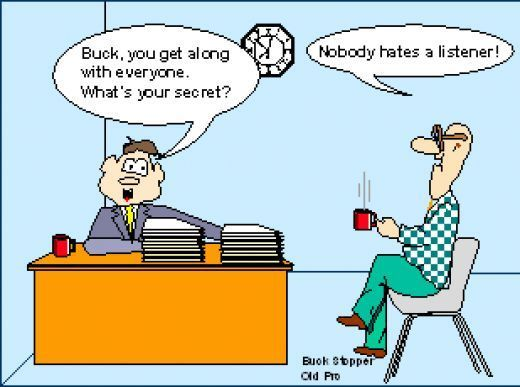
The Other Side of Listening
Listening doesn’t end when someone stops speaking.
The other side is how we respond.
Whether your response is verbal (spoken or written), non-verbal (through body language and posture), or para-verbal (through tone, pitch, and pace), what matters most is that it’s considered and authentic.
In our workplaces — and in our relationships — a thoughtful response is a sign of a healthy culture. It’s what drives trust, innovation, and results.
Leaders who respond with presence and humanity don’t just listen to words — they listen to meaning.
Maybe that’s the real difference — poor listeners skim for facts; great listeners tune in to feelings. Or as James 1:19 reminds us, “Be quick to listen, slow to speak, and slow to become angry.” A truth as relevant in our conversations today as ever.
What do you practice to be a more effective listener?
 Andrew Mina
Leave a comment