We often talk about bringing our authentic selves to work. But authenticity becomes complicated when the conversation touches our values, beliefs, practices, past, and the shape of our lives outside the workplace.
In the world of workplace experience, questions keep surfacing for me:
Should we keep certain parts of ourselves private?
Should we try to stay neutral, agreeable, unobtrusive?
Is it safer to simply “fit in”?
If we choose that route, we lose something essential. We dilute the richness of who we are. And research continues to affirm what many of us intuitively know:
When people feel able to bring their whole selves to work, organizations see stronger financial performance, better talent retention, more innovation, and greater employee satisfaction.
Poornima Luthra describes diversity across three interconnected dimensions in the book Diversifying Diversity:
• Physical and physiological: gender, sexual orientation, age, physical abilities, appearance
• Cognitive: education, skills, ways of working, thinking, and learning
• Social and lifestyle: ethnicity, culture, beliefs and practices, marital and parenthood choices, socio-economic background
If you pause with these dimensions, for even a moment, you’ll realise just how beautifully diverse you already are.
When doing this exercise remember your diversity isn’t found in what you think you may lack or how you think you differ from the ideal (whatever that is) but your beautiful diversity is in the sum total of parts of your life coming together.

Kindness before you contribute
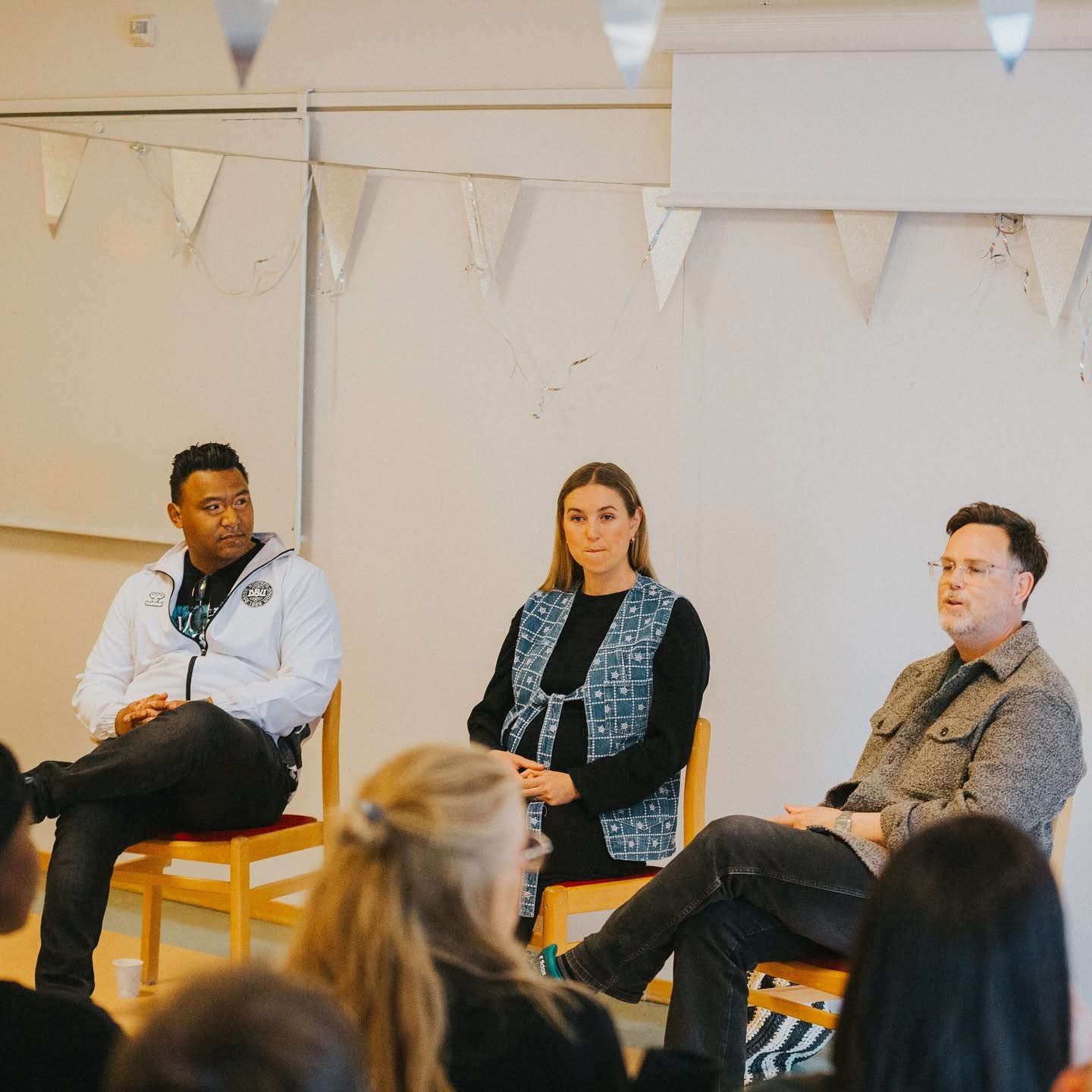
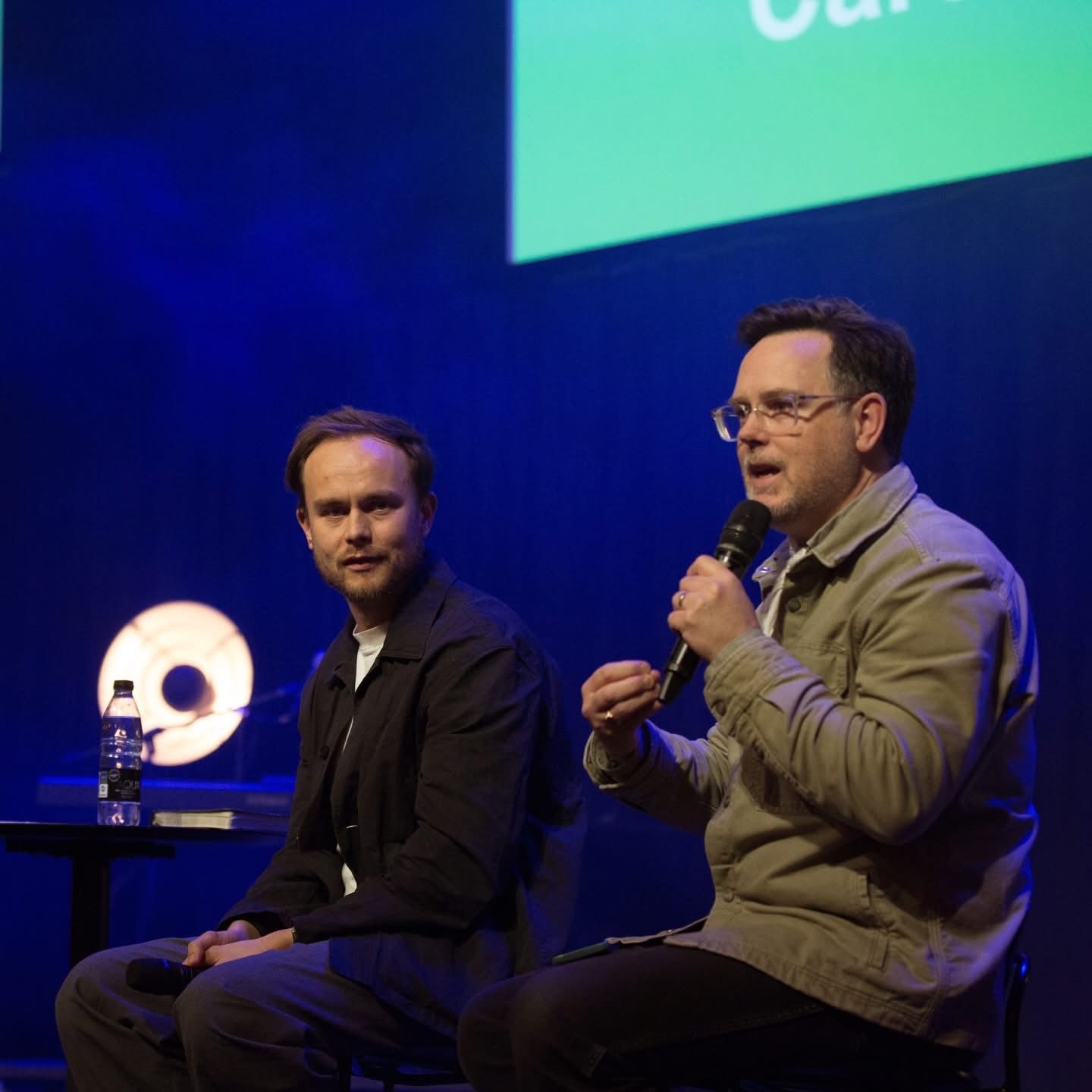
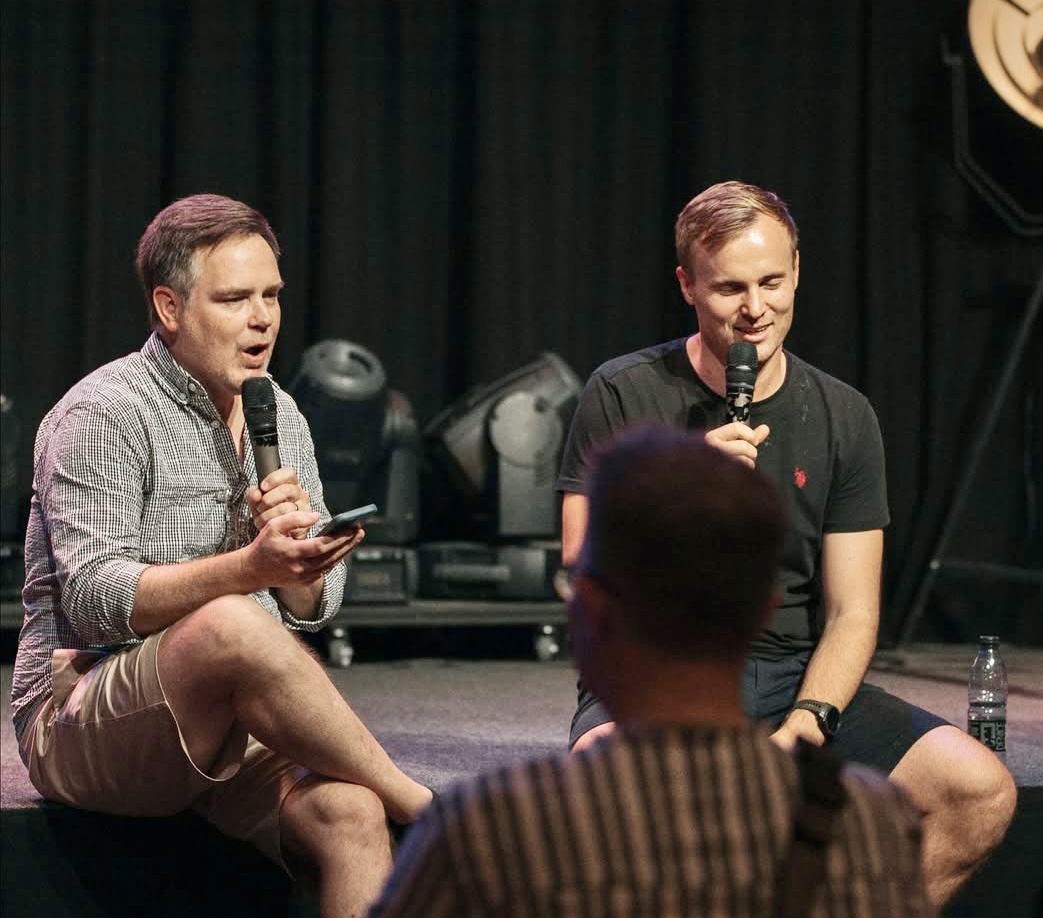
A highlight of my 2025 has been the opportunity to speak alongside remarkable friends about their beliefs and practices at work. Discussing what they mean, how they shape us, and how we can navigate them with care and kindness.
How I answer my open loop questions
This area, like many aspects of diversity, doesn’t come with a universal template. I believe it take a few things to discuss it:
- It requires context
- It requires relationship, and
- It requires wisdom and grace
With regards to this my personal commitment is to live as openly as I reasonably can. I often say, “You can ask me anything. I’ll answer as best I can, and if I choose not to, I’ll simply tell you that too.” That posture, an openness with boundaries, is where authentic connection tends to flourish.
With this in mind it does give permission for people to say “Well, this is just who I am”. What it fosters is an psychologically safe environment where people are encouraged to bring their best selves, do their best work, and be their best.
Finishing well to start even better
As you close out the year, I encourage you to reflect on what authenticity looks like for you in your workplace:
Where do you feel free to show up fully?
Where do you feel the need to shrink or self-edit?
And who in your organization can you speak with creating a more inclusive environment? Depending on your context, that might be HR, an ally, or a manager. It could also be someone you’ve seen express their own diversity with courage and integrity.
Authenticity at work is not a switch we flip. It’s a journey we walk; one conversation, one act of curiosity, one moment of courage at a time.

 Andrew Mina
Leave a comment